Chinese tea has the taste of Zen
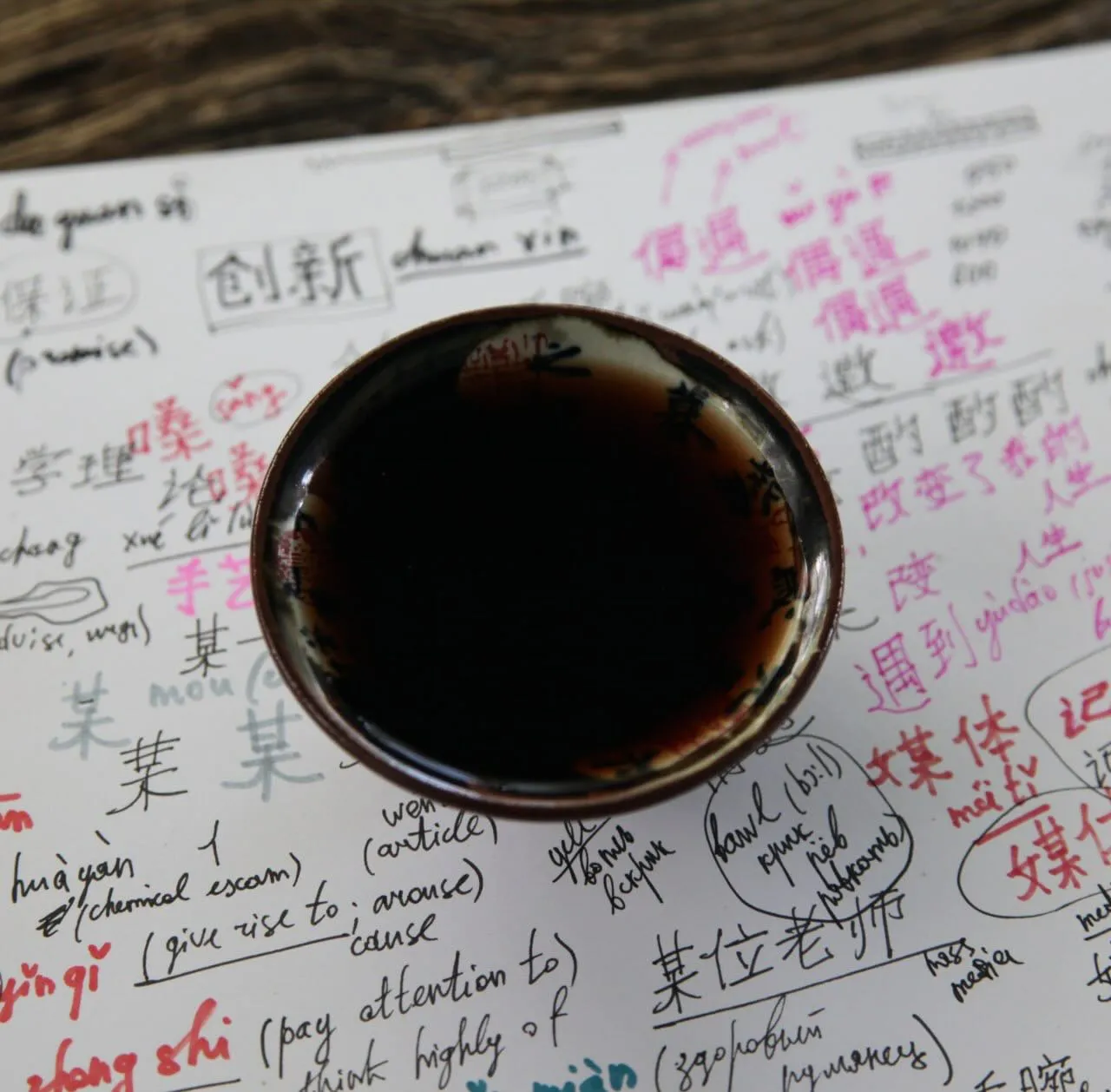
My name is Maksym Kushch. I lived in China for three years, working as a translator and artist, travelling the tea mountains and learning tea culture from native tea people. Since 2016 I have been bringing tea and ceramics to Ukraine.
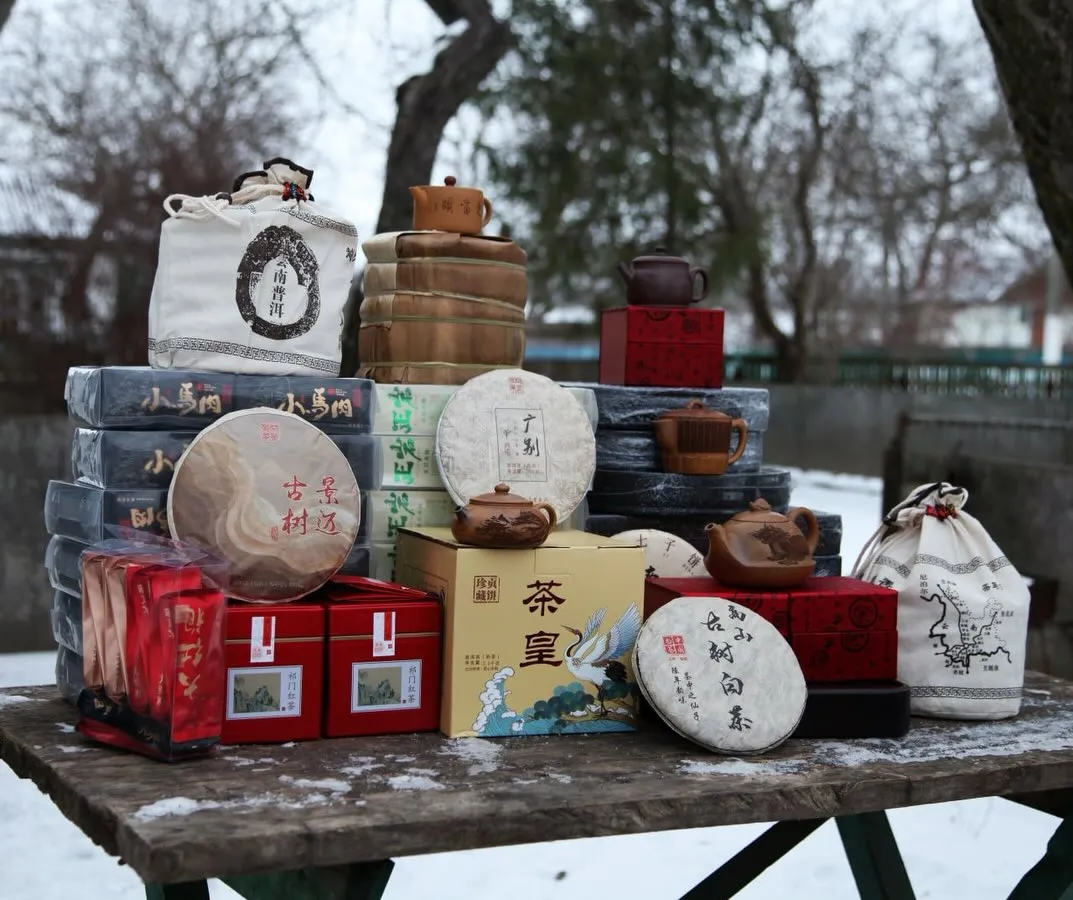
chaiku.chaiku is not a shop with a thousand products. It is a small collection of teas I drink and love myself, and can vouch for.

Quality and honest aesthetics
People, not warehouses
Our pu-erh is made by master Pan Fei, who travels Yunnan’s tea mountains with his son every spring. Liu Bao comes from our friend Qian Chen in Wuzhou. Oolongs — from families of masters in Chaozhou and a Buddhist community in Wuyishan. Shou pu-erh — from the small Xin Wen workshop in Yongde.
A specific mountain
Every tea has a place: a village, a mountain, the age of the trees, the harvest year. Many batches are just a few dozen cakes, and there will never be more.
Living ceramics
I choose teaware in the workshops of Jingdezhen, Chaoshan and Yixing. In one of them an old artist paints cups — and no two are alike.
How it all began
In China tea is not a drink “to go with something” but part of everyday life. In a tiny tea house in Dongguan, where I spent my evenings after work, the owner smiled a lot, told stories about tea and poured infusion after infusion. At big tea fairs you could taste tea from hundreds of producers for free.
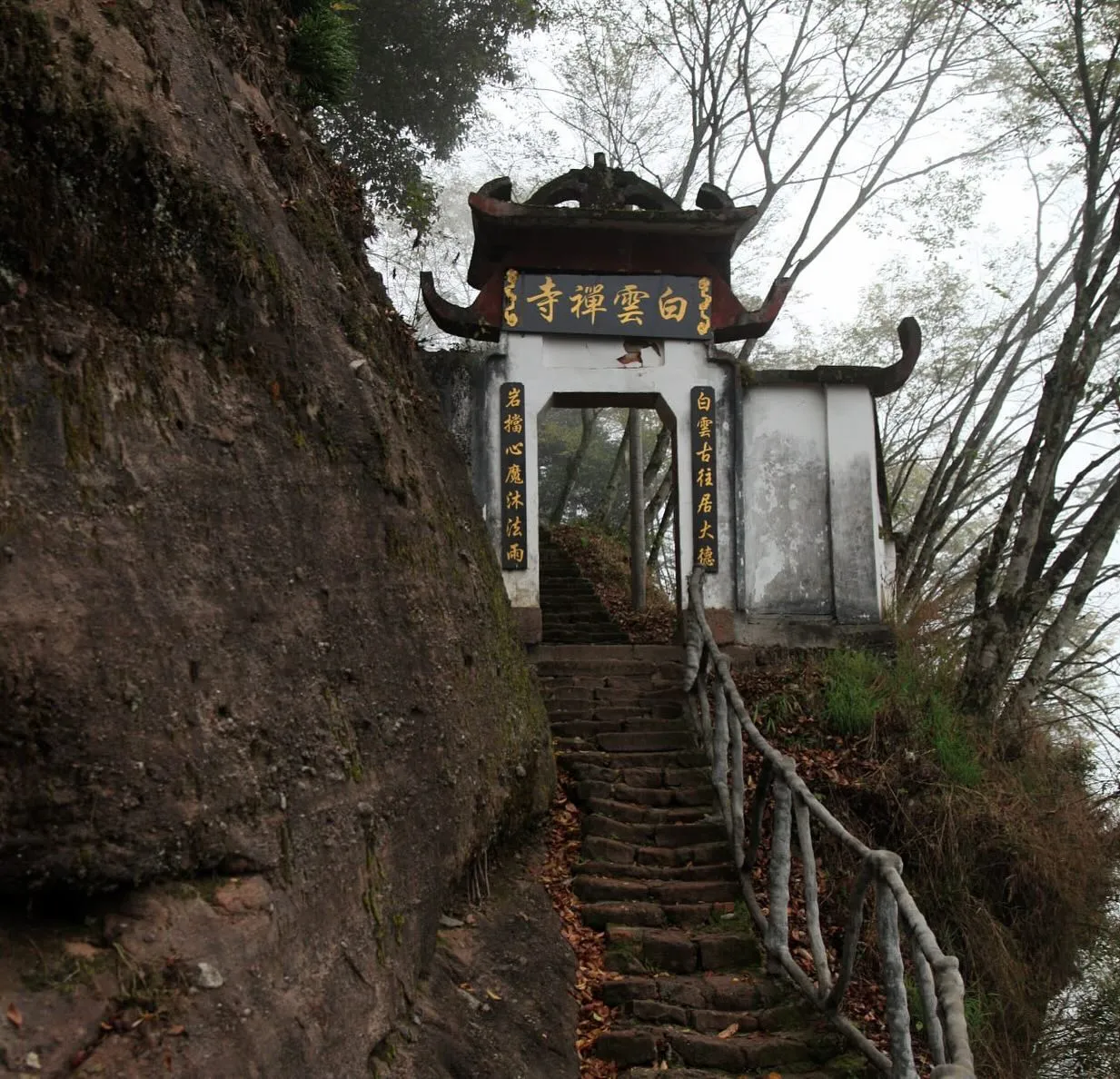
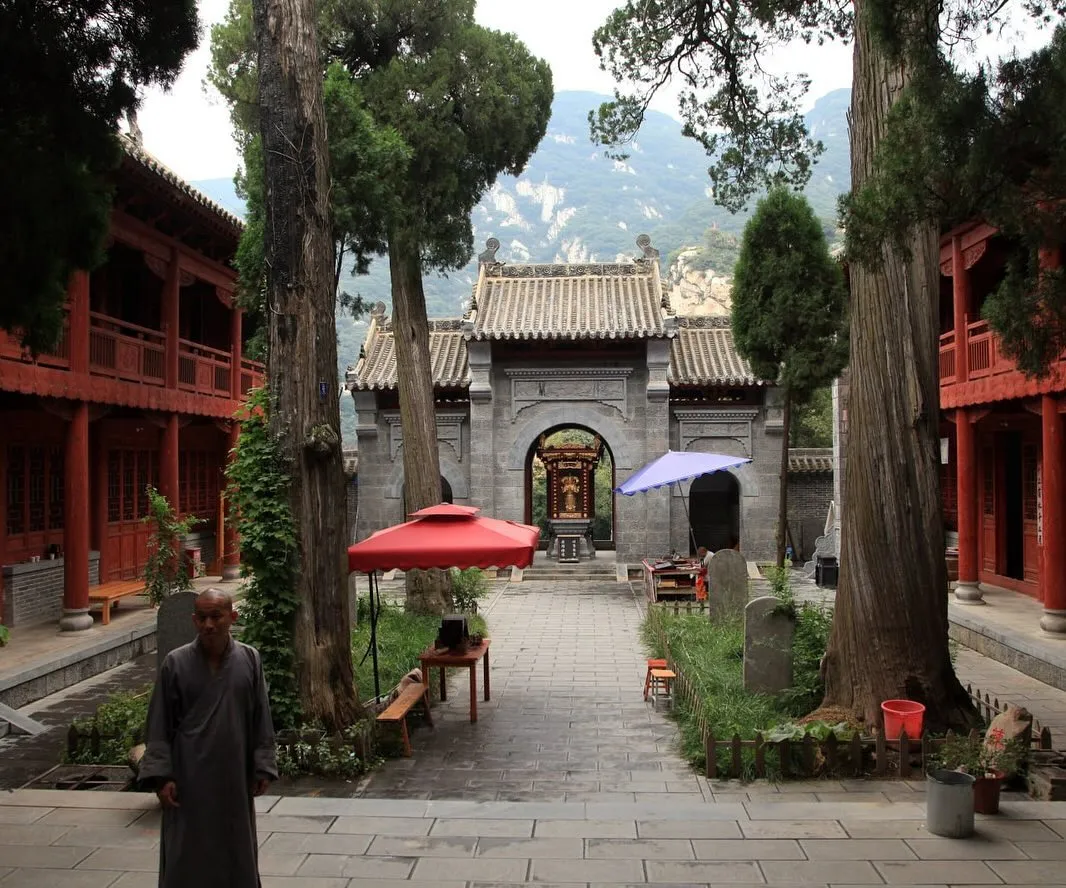
I travelled to Yunnan, Fujian and Chaoshan and visited mountain monasteries — Bai Yun Chan temple on Wuyi mountain, surrounded by wild tea gardens, and Shaolin. Gradually I made friends among producers — people who make tea honestly and in small batches.
When I came back, I started bringing their tea for friends, then for friends of friends. That is how chaiku.chaiku began. Ships from China take a long time, and every new arrival is a small celebration.
Do not let everyday events bind you, yet never withdraw from them. — Huangbo, 9th century
I also draw: the wrapper design and the Bodhidharma drawing on our Shai Hong 2026 are mine.