How to store pu-erh at home
Pu-erh gets better with time — but only if it is stored properly. Where to keep your cakes, what humidity you need and what to avoid.
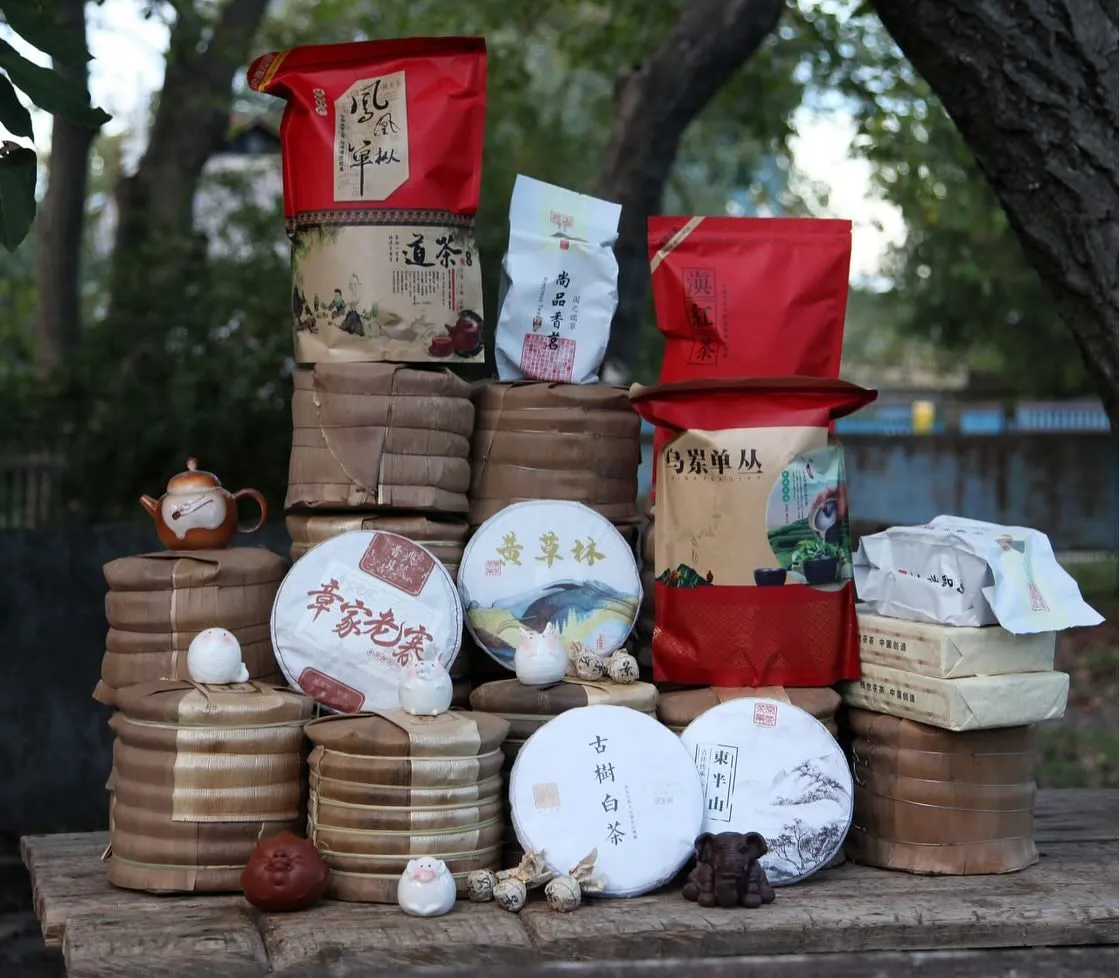
Pu-erh, white tea and hei cha are rare products that don’t spoil with time but get better. Ageing, though, is the slow life of tea, and it needs the right conditions.
The main rules
1. No foreign odours. Tea absorbs everything: spices, coffee, perfume, cleaning products. Never store pu-erh in the kitchen near the stove or in a spice cupboard.
2. No direct sunlight. Light destroys aromatic compounds. A dark cupboard or a box is ideal.
3. Stable temperature. 18–25 °C is comfortable. Sharp changes are harmful.
4. Moderate humidity. Around 55–70%. In very dry air the tea “freezes” and barely changes; in very humid air mould can appear. In Ukrainian flats the air is often too dry in winter — that’s fine, the tea will simply mature more slowly.
5. A little air. Pu-erh needs to “breathe”, so airtight bags are not the best choice for long ageing. Keep cakes in their original paper wrapper, in a cardboard box, a clay jar or a bamboo wrap (tong).
Do’s and don’ts
| Do | Don’t |
|---|---|
| Paper wrapper, cardboard, clay, bamboo | Fridge or freezer |
| A dark cupboard in a living room | Kitchen, bathroom, balcony |
| Store sheng and shou separately | Store next to spices and coffee |
| Break off part of a cake into an “everyday” jar | Keep in the sun |
Sheng and shou — separately
Shou pu-erh and hei cha have a stronger aroma and can overpower delicate sheng or white tea. Keep them in separate boxes.
If something goes wrong
White specks on the surface of a cake aren’t always mould. Yellow specks in hei cha (“golden flowers”, jin hua) are a beneficial fungus that is grown on purpose. But fluffy white or green fuzz with a musty smell means the tea should be thrown away.
Not sure? Bring the cake to a tasting or send a photo on Telegram — we’ll help.