The six classes of Chinese tea — a guide
Green, white, yellow, oolong, red, dark — how they differ and why "black" tea is called red in China.
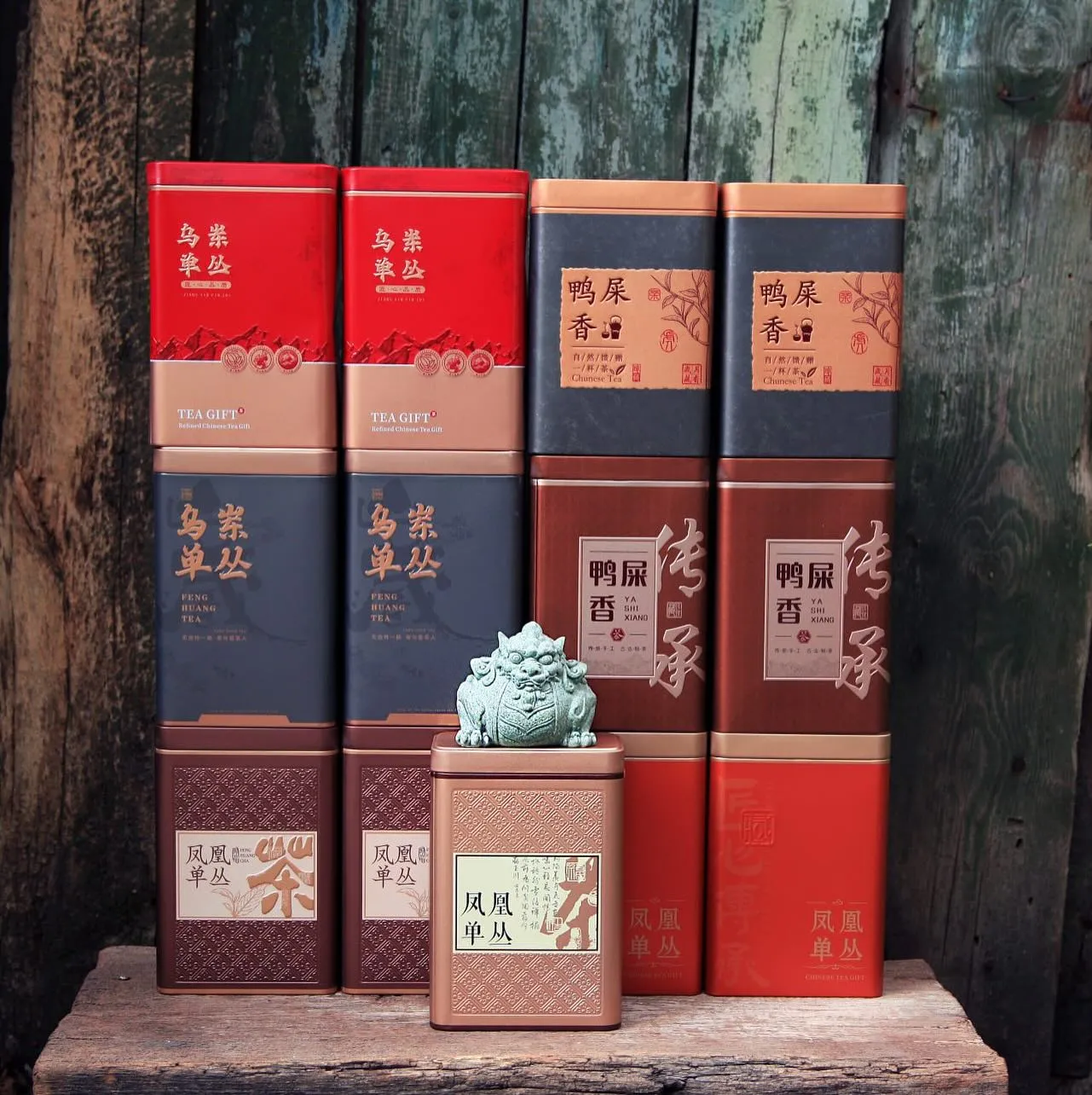
All Chinese tea is made from one plant — the tea camellia. Different tastes come from the cultivar, the place where it grows and, above all, the processing. In China tea is divided into six classes by how much the leaf is oxidised and how it is processed.
1. Green tea (绿茶, lü cha)
Oxidation is stopped right after picking by heating the leaf in a wok or with steam. That’s why green tea is fresh, grassy and floral. The most famous is Longjing.
Brew at: 75–85 °C. See green tea →
2. White tea (白茶, bai cha)
Minimal processing: the leaf is simply withered and dried. Honeyed, gentle taste with meadow herbs. It ages well — aged white tea is highly prized in China.
Brew at: 85–95 °C. See white tea →
3. Yellow tea (黄茶, huang cha)
A rare class close to green tea, but with an extra “smothering” step that softens the taste. It’s seldom found outside China.
4. Oolong (乌龙, wulong)
Partially oxidised tea — from light and floral to dark and roasted. The most diverse class: Tie Guan Yin, Dan Cong, Wuyi rock oolongs.
Brew at: 85–95 °C. See oolongs →
5. Red tea (红茶, hong cha)
Fully oxidised. What Europe calls “black” tea is called red in China — after the colour of the liquor. Honey, dried fruit, caramel: Keemun, Dian Hong, Shai Hong.
Brew at: 85–95 °C. See red tea →
6. Dark tea (黑茶, hei cha)
Post-fermented teas that keep changing in storage: Liu Bao, Fu Cha bricks, An Cha in bamboo baskets. Strictly speaking, shou pu-erh belongs here too, but pu-erh is usually treated separately.
Brew at: 98–100 °C. See hei cha →
And pu-erh?
Pu-erh is a special category from Yunnan. Sheng pu-erh is processed much like green tea but ferments over time. Shou pu-erh is post-fermented, like hei cha. Read more in Sheng vs shou pu-erh: what’s the difference.